PUREVERSITY
Brand, game, and UX design for a cybersecurity training platform built around narrative gameplay.
00

Problem
Cybersecurity threats are often rooted in human error, yet most training programs feel dry, overwhelming, and easy to ignore. Pureversity set out to change this by building a game-based cybersecurity training experience that encourages proactive safety behaviours through engagement and storytelling. At the same time, the brand itself had to be built from scratch. There was no existing visual identity, positioning, or cohesive product language. The early pilot game was overloaded with information and confusing interactions, and the lack of a clear narrative and consistent visual system made it difficult for users to stay engaged or retain key learnings.
Solution
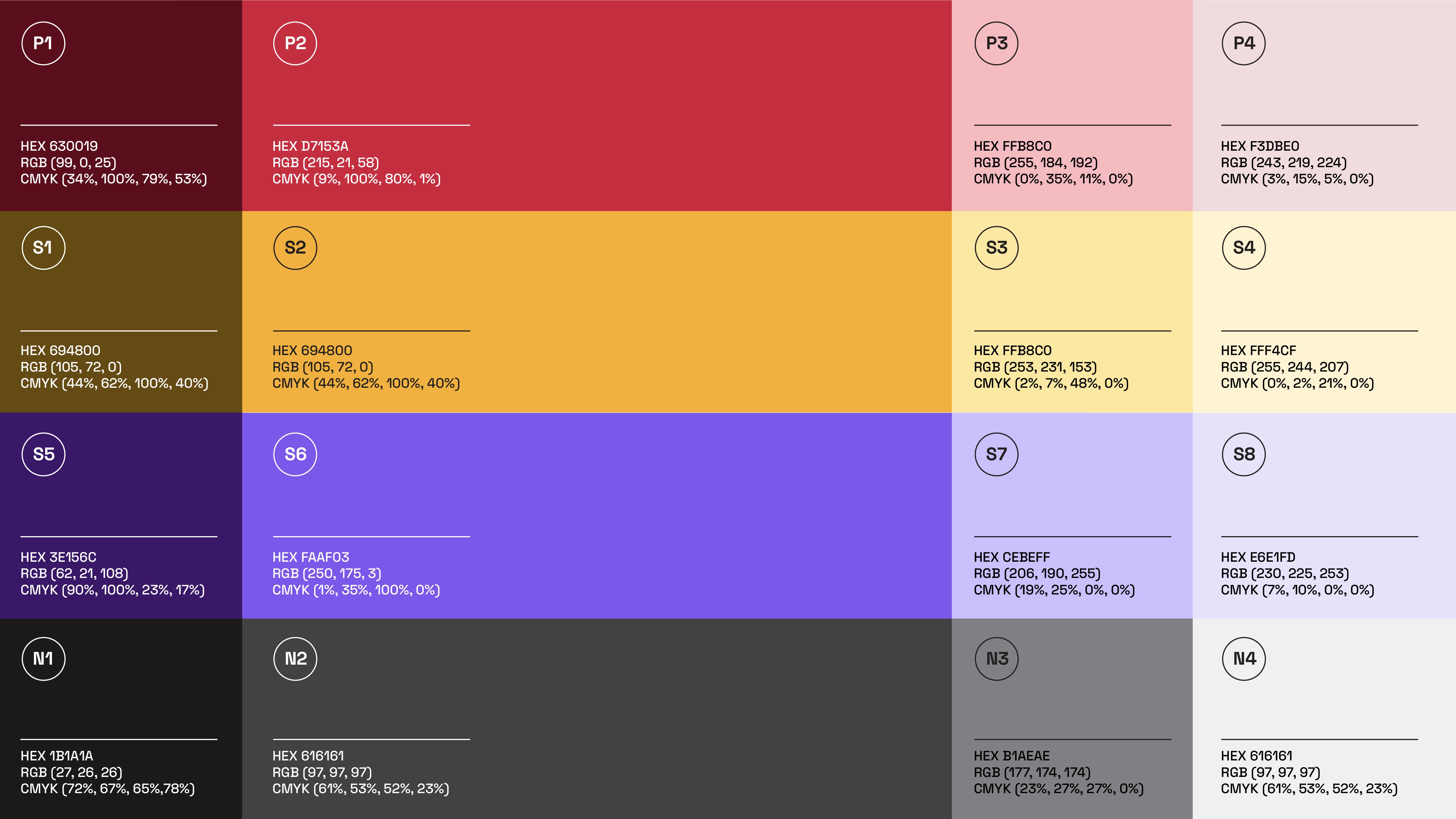
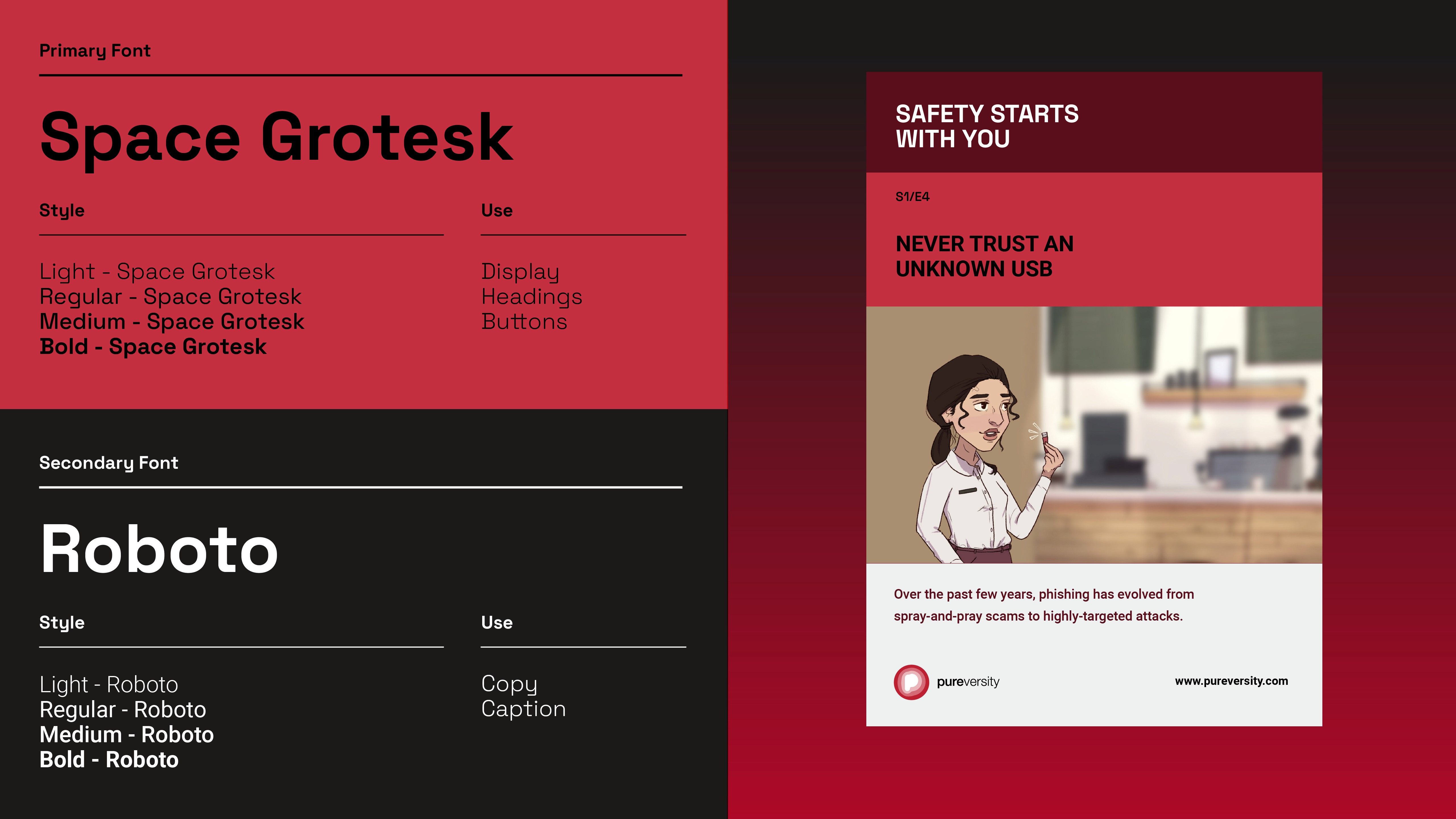
I worked closely with the client to simplify complex cybersecurity concepts and translate them into a clear, playable learning experience. The focus was on shaping how the game looks, feels, and behaves by defining its personality, narrative structure, visual language, and interaction patterns. Through collaborative workshops, iterative prototyping, and continuous feedback loops, I helped align brand thinking with product design. Using user-centred design principles, information hierarchy, and interaction design best practices, the experience evolved into a cohesive ecosystem spanning the game, website, platform, and content management system.
Pureversity was redesigned as a narrative-led game at the heart of a connected digital ecosystem. The gameplay experience uses episodic storytelling, clear decision-making moments, and intuitive interactions to make cybersecurity concepts easier to understand and remember. Supported by a consistent brand system, platform, and website, the experience transforms mandatory training into an engaging journey that encourages participation, curiosity, and safer digital behaviours.
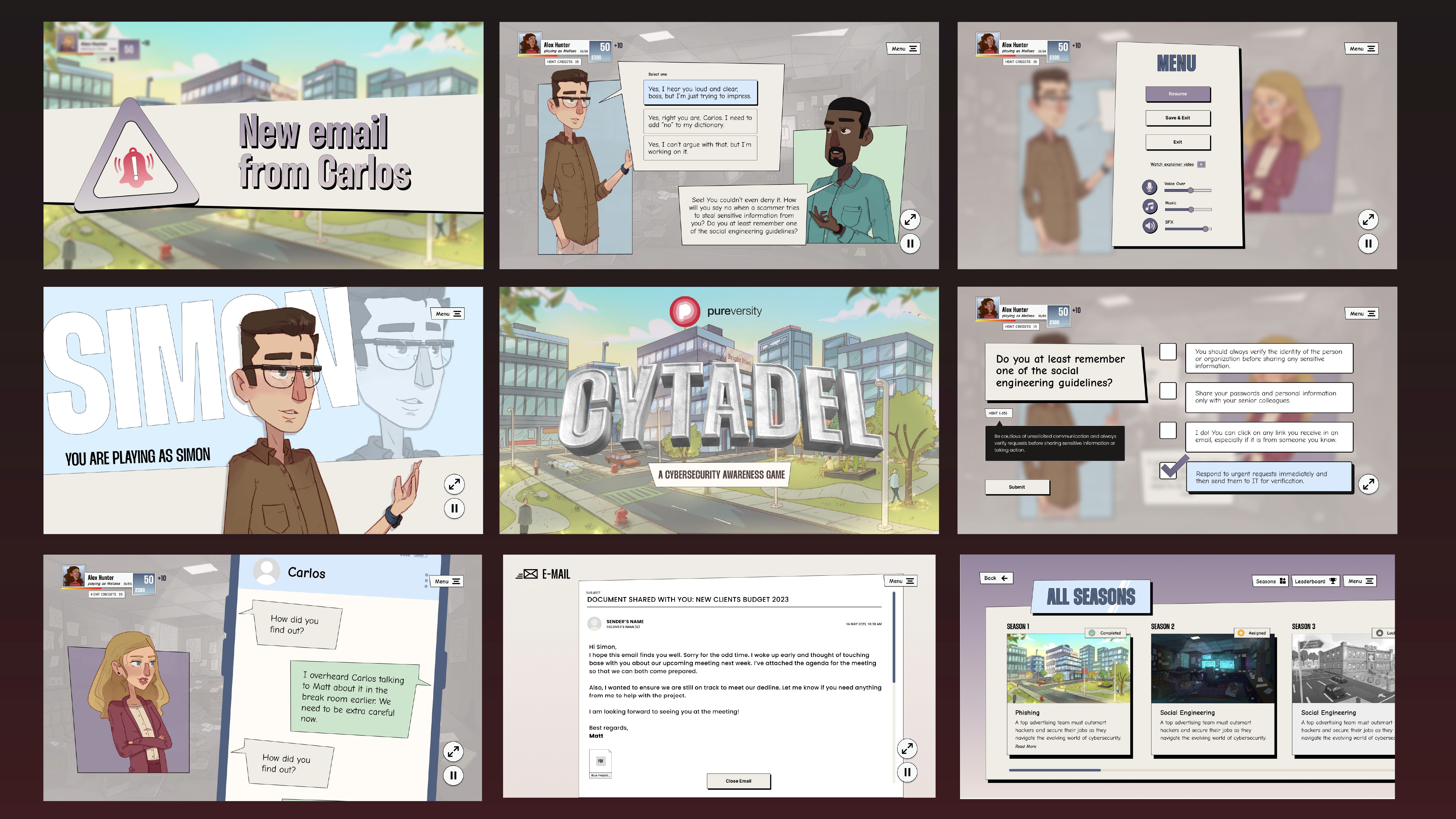
The Game Experience
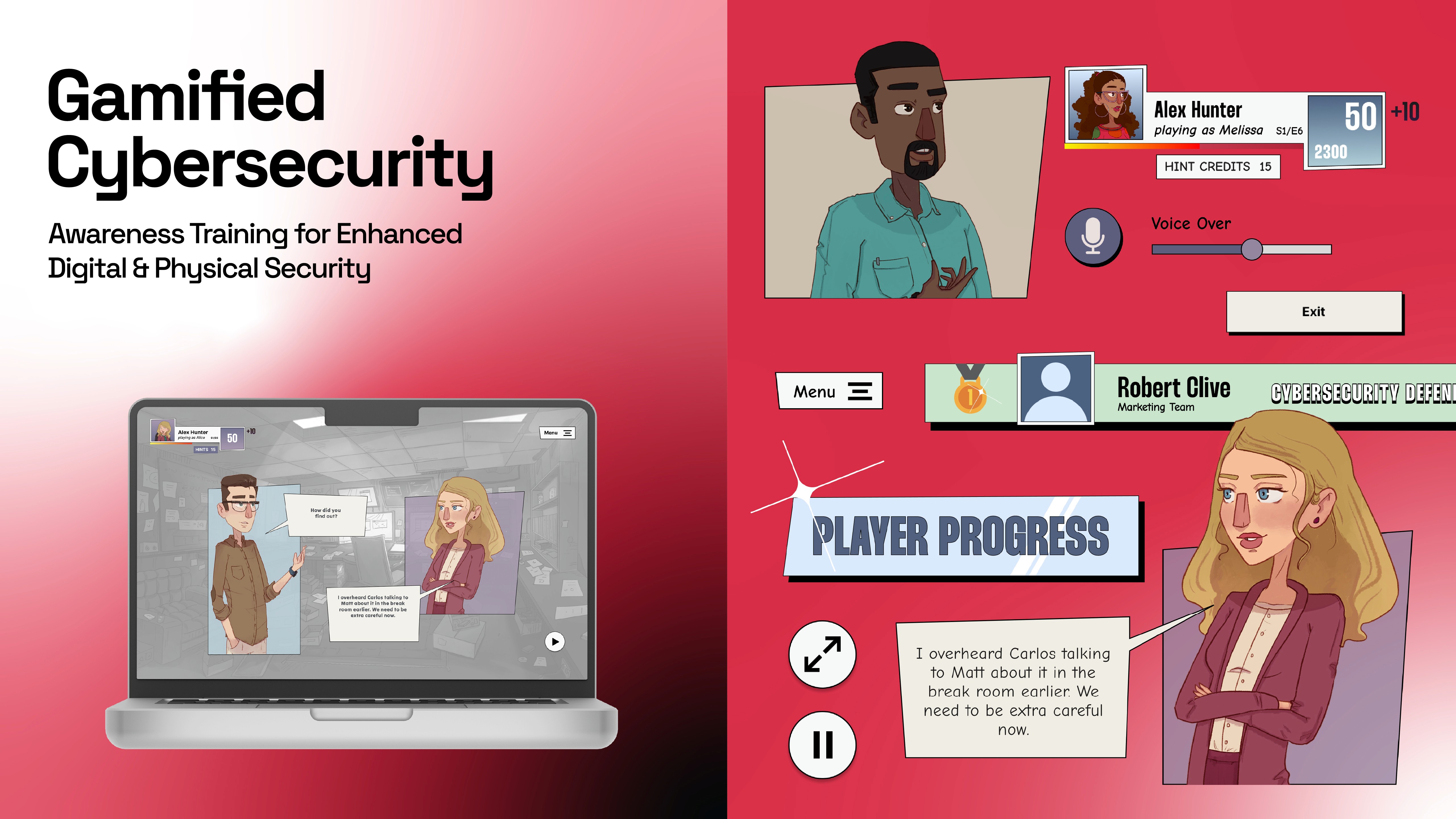
The game was designed as an episodic learning journey where users engage with scenarios, make choices, and learn through play. I defined the overall game structure, pacing, interaction patterns, and visual language, while collaborating with a client-appointed illustrator on character execution to ensure consistency with the game’s tone and personality.
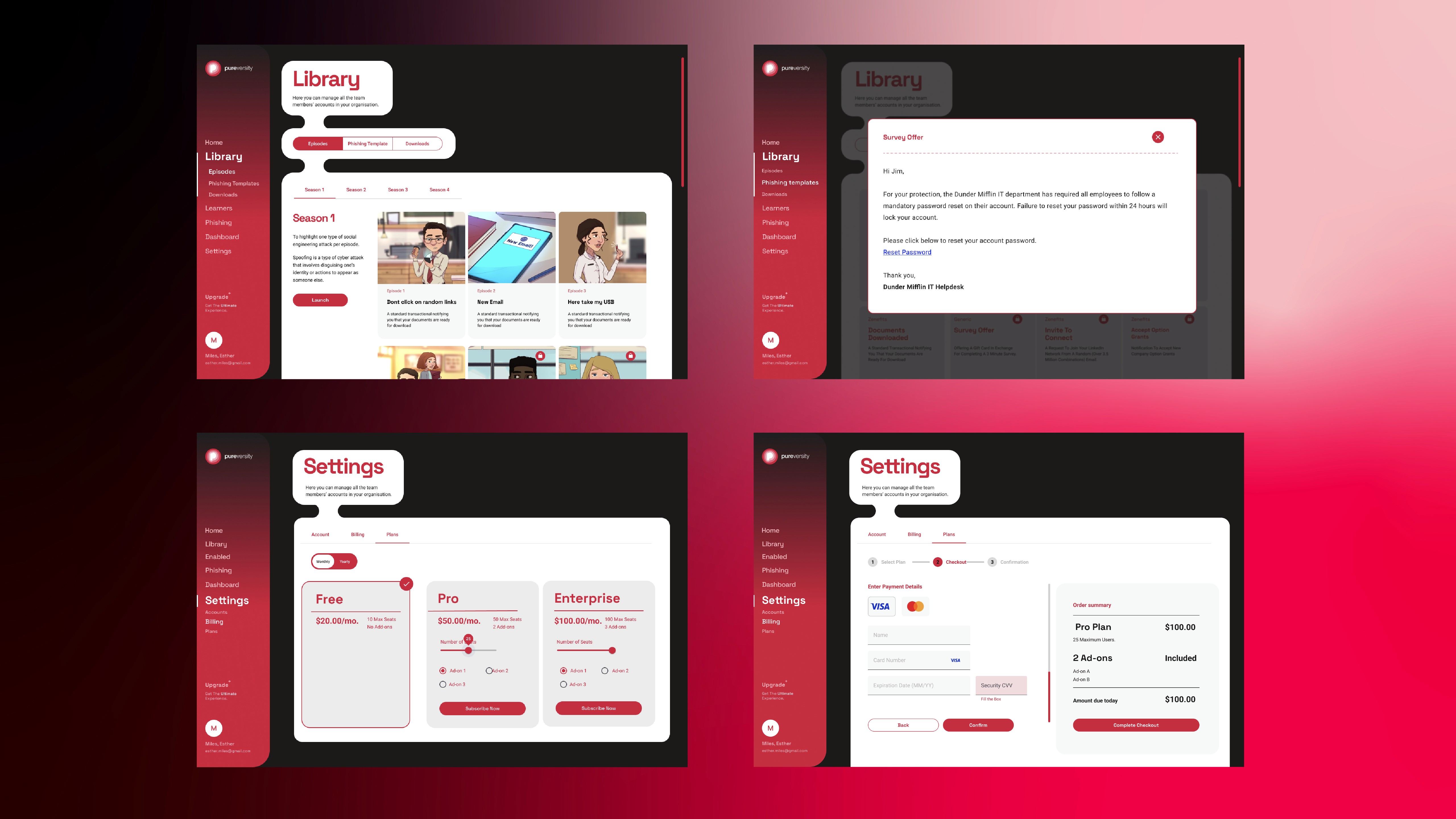
Content Management System
The CMS enables the Pureversity team to easily create, edit, and manage game episodes. It was designed to support scalability while maintaining consistency across gameplay, narrative flow, and learning outcomes.
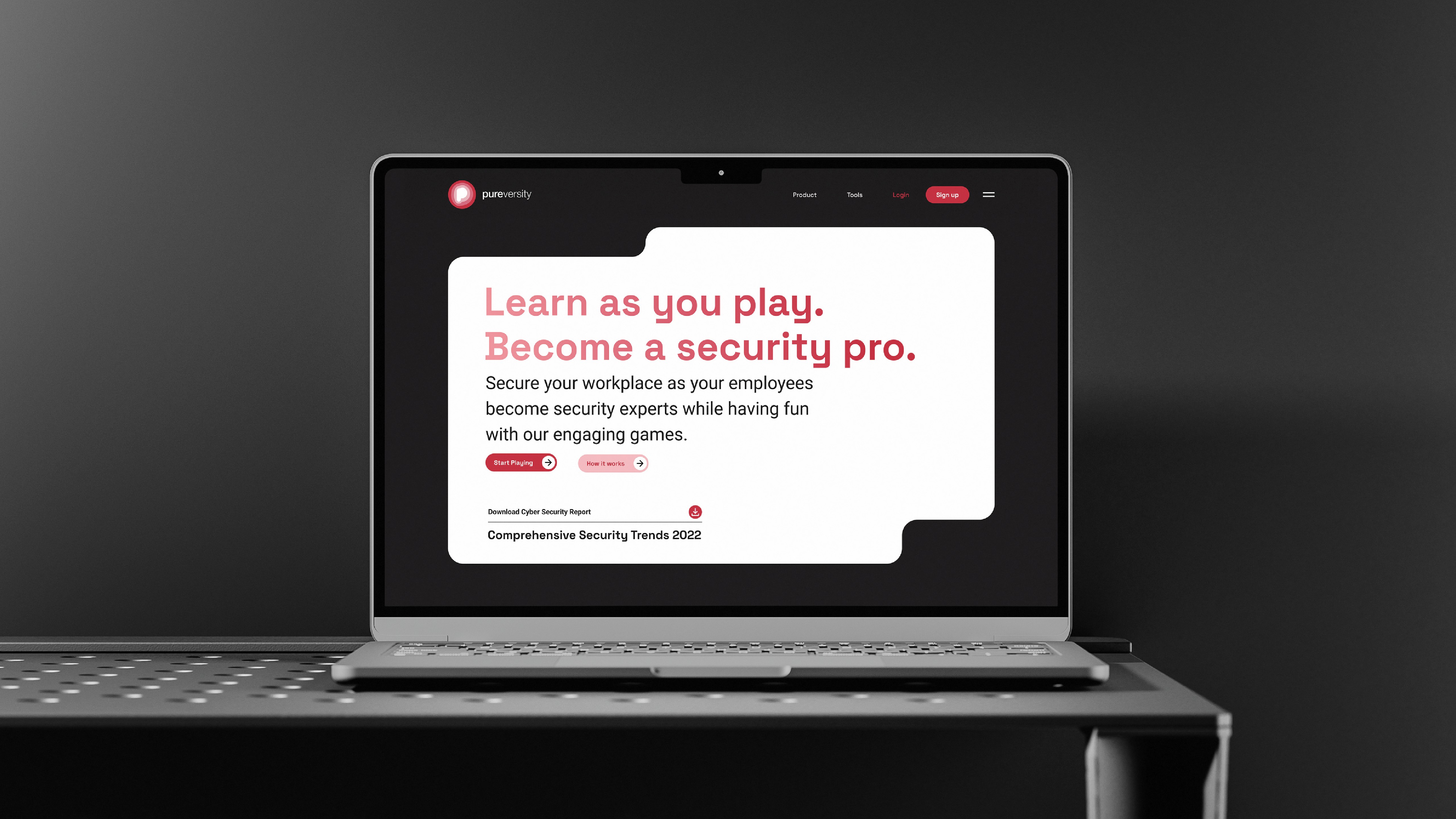
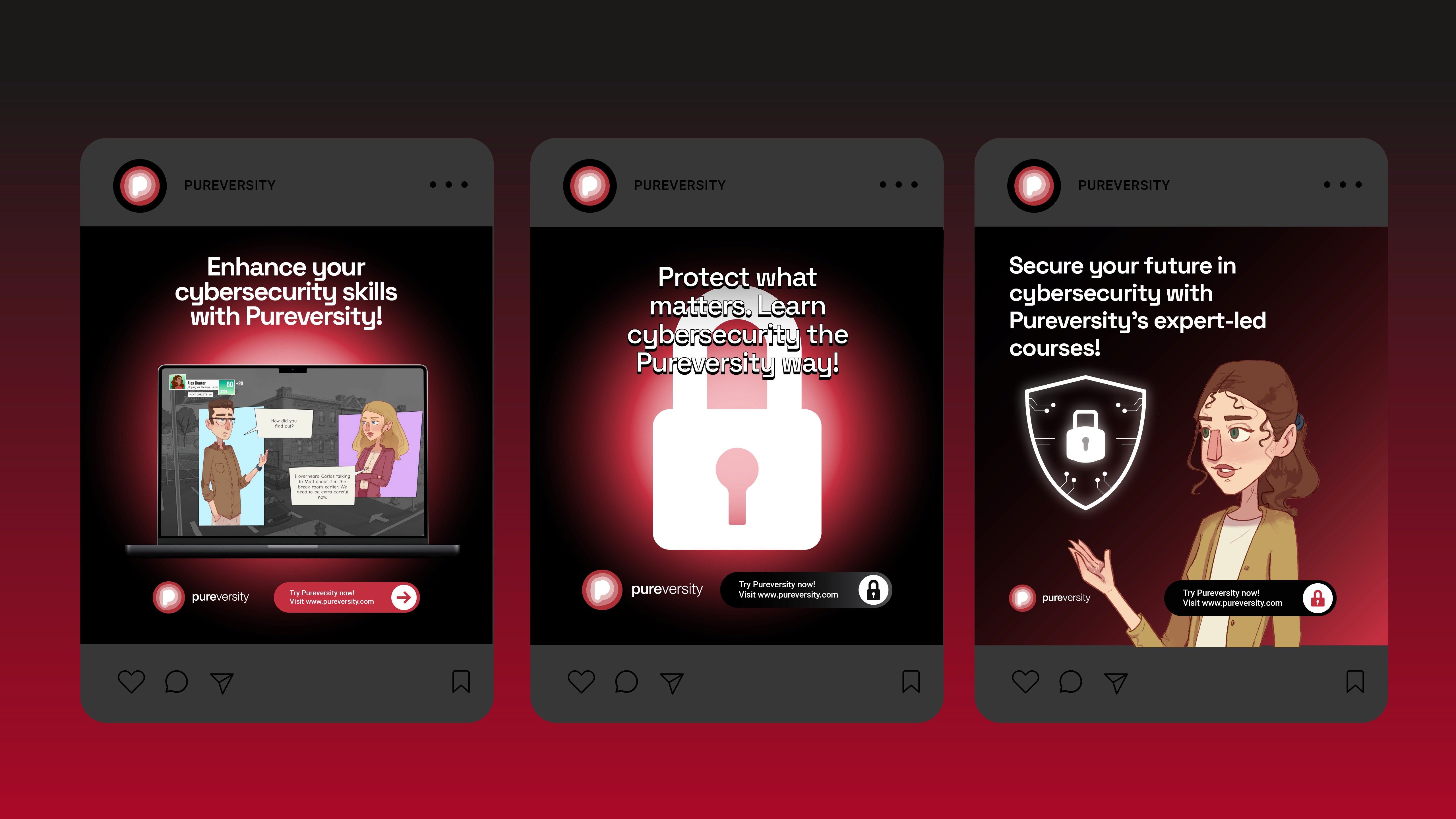
Website
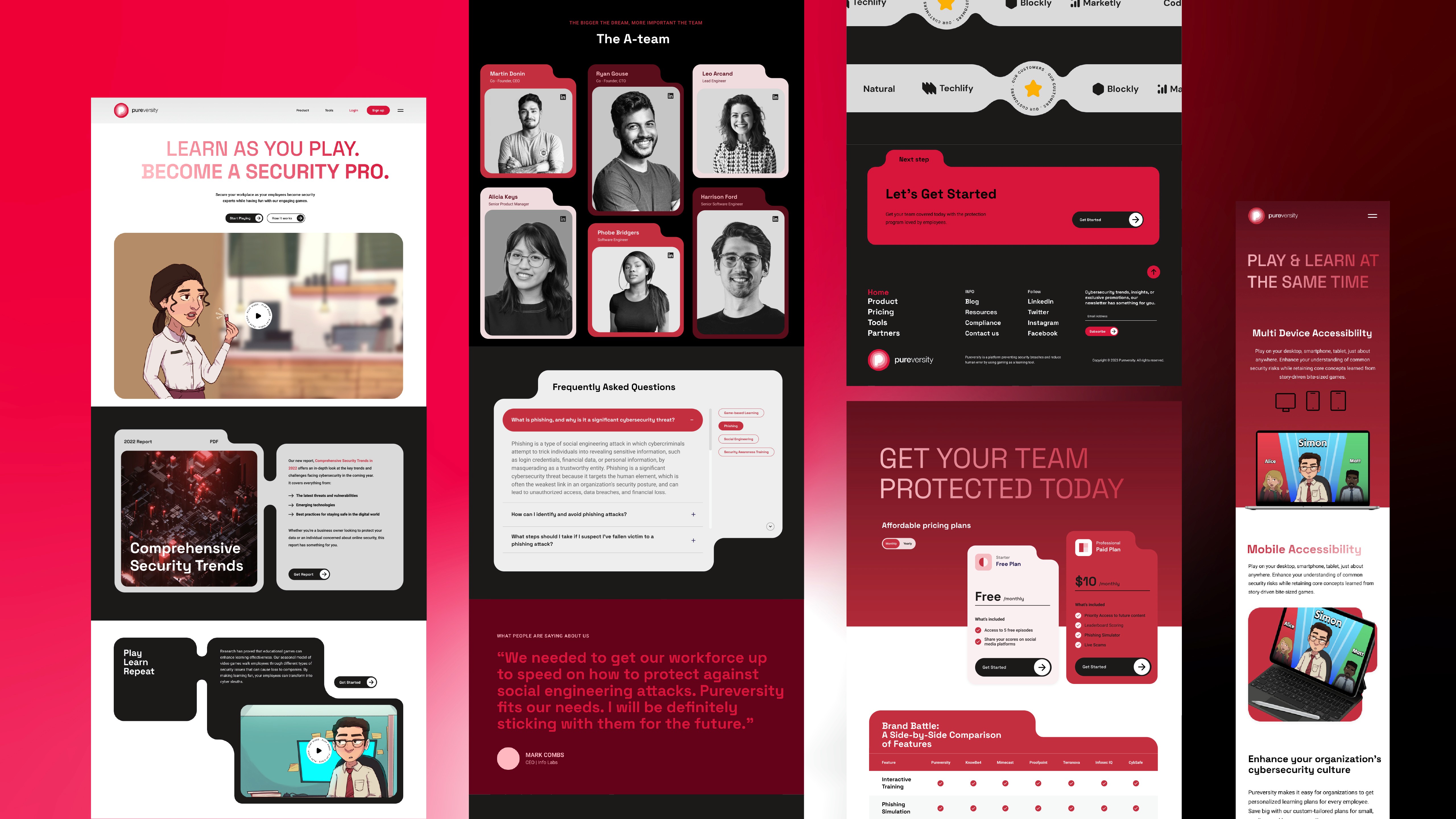
The website introduces the brand and game-first approach, balancing seriousness with playfulness. A gameplay video on the landing page sets expectations early and helps users immediately understand how the training experience works.
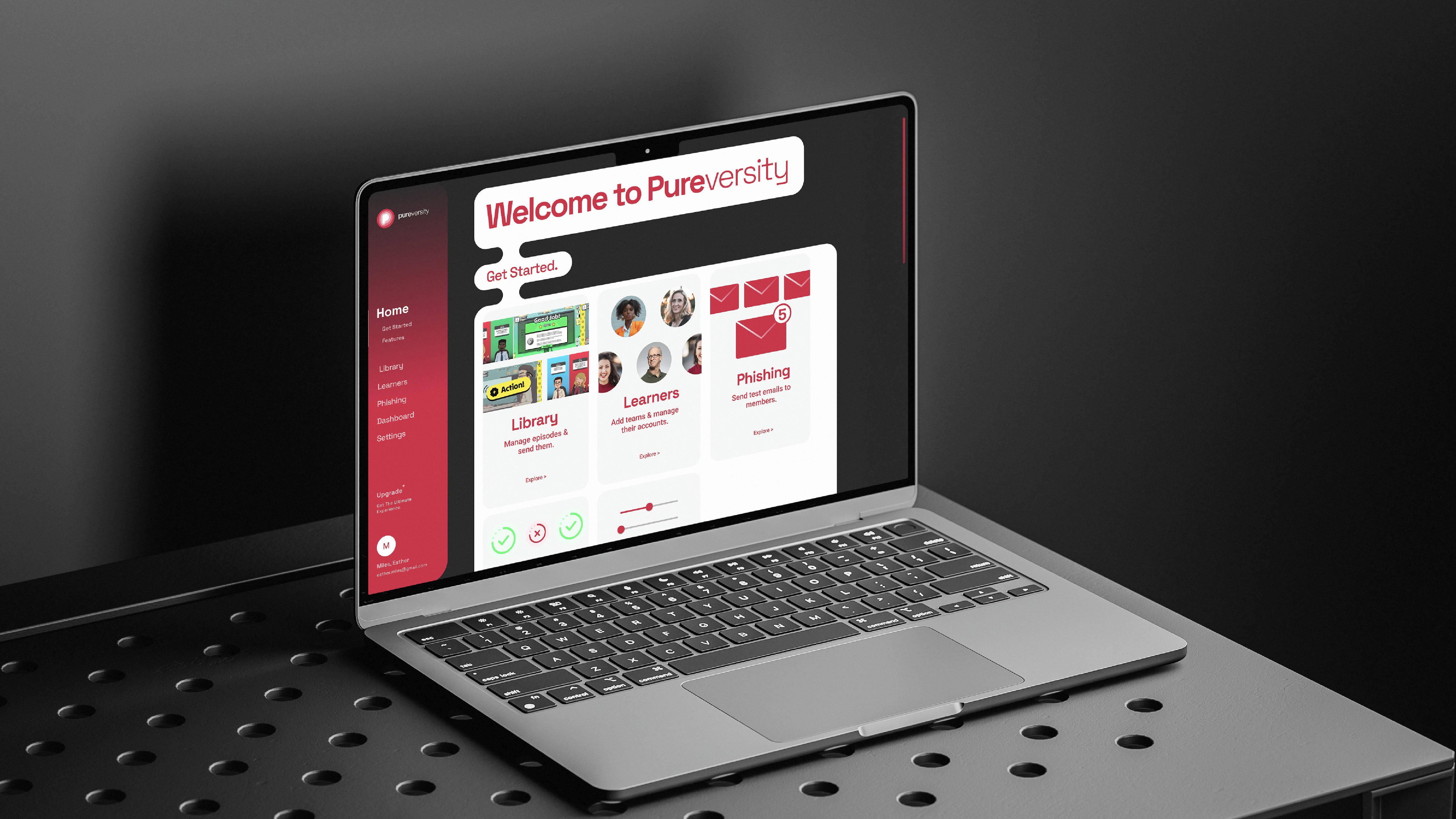
Platform
The customer-facing platform allows organisations to assign game episodes, run phishing simulations, and track employee awareness. The UX focuses on clarity and ease of use, making the game simple to deploy and manage across teams.
Impact
By aligning brand strategy, game design, and user experience, the project delivered measurable impact, contributing to a 67% increase in platform adoption, a 23% growth in B2B sales, and an 86% reduction in employee vulnerability to cybersecurity threats.
year
2023
timeframe
4 months
tools
Figma and Illustrator
team
Sobia Iqbal Farooqui, Asghar Qasim
01
02
03
04
05
06
07
08
see also